


FOR OUTDOOR & CAMPING BRANDS

Outdoor marketing for every season.

Outdoor gear sells in short seasons, to experts who check every spec and to a growing number of beginners who don't know what to check. We plan your ads and email around each category's season, write product pages that work for both, and grow your own store without undercutting the dealers who carry you.

30-minute call with Dair
The founder, not a sales rep.
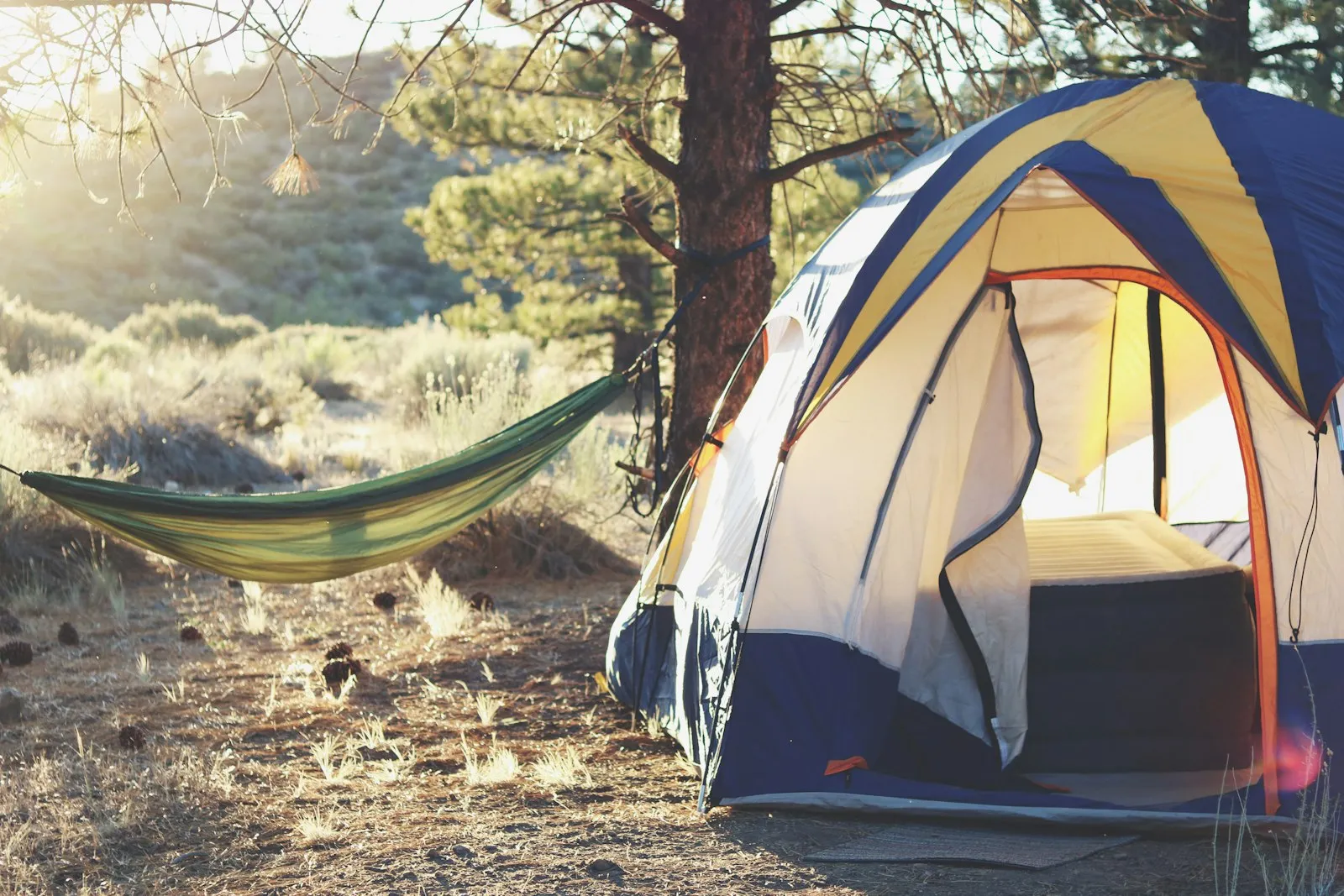
A dome tent and a hammock at a forest campsite
BRANDS WE'VE WORKED WITH
  • Tuff Crowd
  • Rüfüs Du Sol
  • Haven Sleep Co
  • Amourprints
  • Soul Comfort
  • Boss Dog & Boss Cat

Outdoor brands are among the 100+ brands we've worked with since 2018. Read our reviews on Shopify (opens in a new tab).

IN SHORT

Outdoor marketing is how a camping, hiking, fishing or hunting brand sells gear in short seasons, to experienced buyers who compare every spec and to beginners buying their first tent or rod.

HOW PEOPLE BUY
Experienced buyers compare weight, materials and ratings across several stores, then buy in a burst before a trip or a season. More buyers are beginners: hiking, camping and fishing each gained more than 2 million new participants in the Outdoor Industry Association's 2025 report.
WHEN IT SELLS
Each category has its own peak: camping and hiking from Memorial Day to Labor Day, fishing around opening day, hunting before the fall seasons and gifts in December.
WHAT WINS THE SALE
Complete specs an expert can scan, gear shown in real conditions, and ads and emails that are ready before each season opens.
WHY OUTDOOR GEAR IS DIFFERENT

Expert buyers, short seasons.

Outdoor shoppers buy in bursts before a trip, and many brands also sell through dealers who watch their prices. Here's what we plan for first.

Not sure where your store loses sales? Ask Dair →

Seasons that come and go fast

Tents, waders and hunting gear each sell best at a different time of year. Ads that start late miss the peak, and the quiet months need a smaller budget.

HOW WE FIX IT Search and Shopping planned by season

Buyers who check every spec

Experienced campers, hikers and anglers compare weight, materials, temperature ratings and waterproofing. If your page leaves one out, they look it up on a big retailer's site and may buy it there.

HOW WE FIX IT Pages that answer expert questions

Selling direct without undercutting your dealers

Many outdoor brands also sell through specialty shops, big outdoor retailers and Amazon. If your own store discounts deeper than your dealers are allowed to, they notice, and the next order shrinks.

HOW WE FIX IT Direct sales planned around your dealers

December buyers who don't know the gear

Around the holidays, many orders come from people shopping for someone who fishes, hunts or camps. They can't tell one reel from another, so they need simple guides and clear gift picks.

HOW WE FIX IT Gift guides and picks by budget
INSIDE THE WORK

How outdoor brands win each season.

Outdoor buyers shop by season: experts check every spec, and beginners need a simple answer. These are the three things we get right first.

THE SEASONS

Every category has its own season.

Tents and sleeping bags sell before the warm months, fishing gear before opening day, hunting gear before the fall seasons and gifts in December. Camping season runs roughly from Memorial Day to Labor Day, and the weather moves it week to week: a warm spring pulls orders forward, and a wet one pushes them back.

So each category gets its own calendar, and budget moves to it a few weeks ahead. Search and Shopping ads go up before each peak and come down in the quiet months. Email is split by activity, so anglers hear about new gear before their season opens and campers before the warm weather. Clearance is planned before the season starts, so it doesn't eat next year's full-price sales. See Google Ads.

  • A peak on the calendar for each category
  • Budget moved ahead of each season and cut in the quiet months
  • Clearance planned before the season starts
An example outdoor calendar: ads and emails build up before each peak (blue), then the peak itself (purple), with camping clearance after Labor Day (grey) and email split by activity all year (gold).
SPECS THAT SELL

A missing spec sends buyers to a big retailer.

Experienced campers, hikers and anglers compare weight, packed size, materials and ratings for water, wind and cold before they buy. Copy like 'lightweight and waterproof' tells them nothing, because so many brands say it. They want figures in the terms they use: trail weight and packed weight for a tent, the waterproof rating of the fabric (its hydrostatic head, in millimeters) and a sleeping bag's comfort and limit temperatures.

We rewrite product pages so the specs come first, in a layout an expert can scan, with a chart that compares the models in your range. The same details go into your Shopping feed, so the filters outdoor shoppers use have something to match. Who it suits and photos from real conditions come next. Leave a spec out, and they'll look it up on a big retailer's site and may buy it there. More in conversion optimization.

  • Specs first, in the terms experts use
  • A chart that compares the models in your range
  • The same details in your Shopping feed
An example rewrite of a tent description: vague claims before, then the specs an experienced buyer checks first.
PRODUCT PAGES

One page has to serve the expert and the beginner.

An expert wants proof from the field: photos in rain and wind, the fit details that matter and reviews from real trips. For a backpack, that means the capacity, the torso lengths it fits and how the hip belt adjusts. A beginner can't tell one model from another and needs a simple answer, and there are more of them every year: in the Outdoor Industry Association's 2025 report, hiking, camping and fishing each gained more than 2 million new participants. In December, gift buyers need the same simple answer.

So the page opens with who the product suits, like day hikes or a week on the trail, then the specs, then field photos and reviews that mention the trip. A short note sends beginners and gift buyers to a guide with picks by trip and budget. Buying guides answer what people search before a trip, and every guide points readers to the right collection. See SEO for the guides.

  • Who it suits, in the first line
  • Field photos and reviews from real trips
  • A guide with picks for beginners and gift buyers
An example backpack page that serves both buyers: field photos, who it suits and the fit details for the expert, and picks by trip and budget for a beginner or a gift buyer.
WHAT'S INCLUDED

Your marketing, season by season.

Every season gets its own plan and its own profit targets.

  1. A calendar for each category

    Camping, hunting, fishing and gift buying each get their peak on the calendar. Budget moves to each one ahead of time.

  2. Spec-rich product pages

    Weights, dimensions, materials and ratings in a layout an expert can scan. Charts compare the models in your range.

  3. Ads from the field

    Photos and video of your gear in real conditions: rain on the tent, frost on the sleeping bag, a fish coming to the net.

  4. Buying and gift guides

    Buying guides for what people search before a trip, and gift guides for December. Every guide points readers to the right collection.

  5. Clean Shopping feeds

    Product data with the details outdoor shoppers filter by. Items the ad platforms restrict, like some hunting gear, are kept out of the ads before they cause rejections.

  6. Email by activity

    Your list split by what each customer does. Anglers hear about new gear before their season opens, and campers before the warm weather.

CLIENT RESULTS

Results from our clients.

All case studies →
WHAT WE DO

Services that fit an outdoor brand.

Ads, search, your store and email, all planned around the same seasons.

FREE TOOLS

Plan your next peak.

Size your busy-season ad budget, see how many extra orders a clearance sale needs and estimate the sales left in abandoned carts.

FAQ

What outdoor brands ask us.

Don't see your question? Ask Dair directly on the call.

Dair Rose
Still have a question?
Email or call. Dair replies personally.
Book a strategy call →

Give each category its own calendar. Camping and hiking gear usually sells most in the warm months, hunting gear around opening days and gifts in December. Have ads, offers and emails ready a few weeks before each peak, and spend less in between.

The specs an experienced buyer checks first: weight, packed size, materials and ratings for water, wind or cold. Then show the gear in real conditions, say who it suits and add reviews from real trips.

Keep your store at the prices your dealers are held to, and compete on what they can't offer: the full range in every size and color, field photos and answers from the people who make the gear. Put ad budget on searches for your brand and model names, so those buyers reach you, and save clearance for the end of the season, when your dealers are clearing theirs too.

Be the best source on your own gear. Detailed specs, honest guides and real field photos give expert buyers a reason to choose you, and email keeps them coming back between trips. Then put your ad budget behind the searches and audiences that suit your gear best.

More often in season and less in the quiet months. Weekly emails before and during your peak are usually fine if each one has something useful in it: a new product, a trip guide or a restock. Split your list by activity, so nobody gets emails about gear they'll never use.

Plan it before the season starts: which products get marked down, when, and who hears first. Send clearance to deal-seekers and new subscribers, while your full-price regulars hear about new gear. Set each markdown from what the product cost to land, since import duties on gear changed several times in 2025 and 2026.

Getting ready for your busy season?

Talk it through with Dair on a 30-minute call. He'll go through your product pages, email and ads with the season ahead in mind, then list what he'd fix first.