


FOR ARTS, CRAFTS & STATIONERY BRANDS

Arts, crafts and stationery marketing for makers who buy again.

A single tube of paint rarely pays for the ad and the shipping, so craft and stationery brands make their money on bigger orders and makers who come back. We get your products into the projects makers plan on Pinterest, build kits that make each order worth shipping, and email makers when their colors run low.

30-minute call with Dair
The founder, not a sales rep.
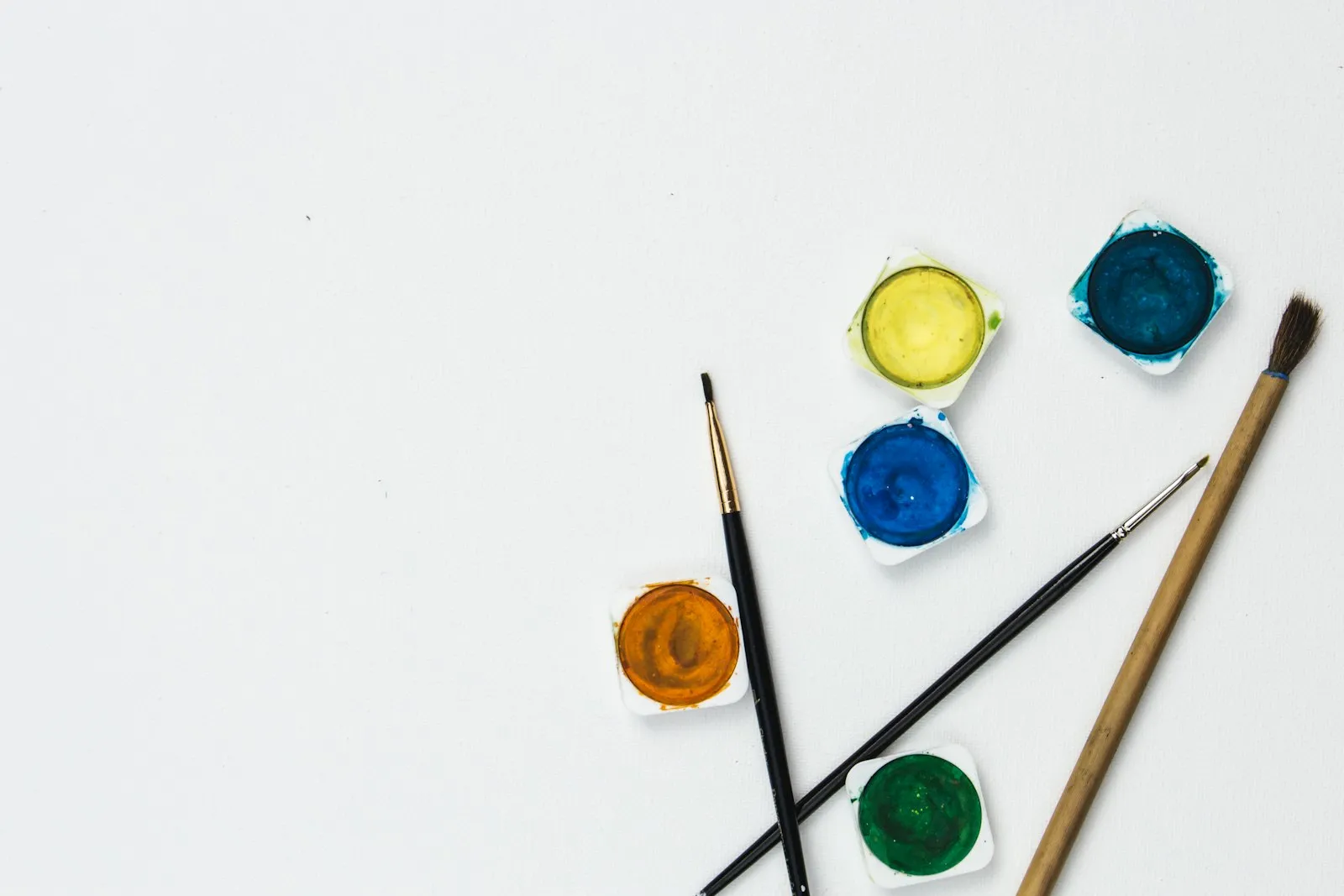
Pots of paint and brushes on a white table
BRANDS WE'VE WORKED WITH
  • Tuff Crowd
  • Rüfüs Du Sol
  • Haven Sleep Co
  • Amourprints
  • Soul Comfort
  • Boss Dog & Boss Cat

Craft and stationery brands are among the 100+ brands we've worked with since 2018. Read our reviews on Shopify (opens in a new tab).

IN SHORT

Arts and crafts marketing is how an art supply, craft kit or stationery brand reaches makers while they plan a project, and brings them back when supplies run low.

HOW PEOPLE BUY
Project first. Makers save ideas on Pinterest and in videos, often for weeks, then buy everything the project needs, and come back when paint, ink or paper runs low. As Joann closed all its stores in 2025, Michaels reported a 77% rise in searches for 'fabric' on its website.
WHEN IT SELLS
Back to school in late summer, planners before the new year, Black Friday in late November and gifts before Christmas. Dated planners lose value every week after January.
WHAT WINS THE SALE
Seeing the result before buying: process videos, swatches photographed in daylight and finished projects, plus kits that put the whole project in one order.
WHY CRAFTS AND STATIONERY ARE DIFFERENT

Makers buy the project, then the supplies.

Craft and stationery shoppers start with an idea and work back to what they need. Four problems come up again and again.

Not sure where your store loses sales? Ask Dair →

Most orders are small

A single pen, pad or skein of yarn rarely covers the cost of the ad and the shipping. The profit is in kits, sets and baskets with more in them.

HOW WE FIX IT Kits, bundles and free-shipping thresholds

Crafters still looking for a new place to buy

Joann closed all of its stores in 2025, and many people who bought fabric, yarn and supplies there now shop online. They search for the product and the brand they used to buy, and your store's name means nothing to them yet.

HOW WE FIX IT Pages and ads for the supplies they search for

Every shade is its own search

Shoppers look for an exact color, nib size or paper weight. A product feed that lumps every variant together keeps you out of those results.

HOW WE FIX IT Every color and size in your product feed

Planners have a season

Dated planners and calendars sell in a rush before the new year and the school year. Every week after that, the stock loses value.

HOW WE FIX IT Pre-orders and launches to your list
INSIDE THE WORK

How makers plan, buy and come back.

Three things decide whether a craft or stationery brand grows: being there while the project is planned, orders big enough to pay for the ad and the shipping, and product pages that let makers buy the right amount.

PROJECT INSPIRATION

Makers plan the project first, then buy the supplies.

Many projects start as a saved Pin: a watercolor wreath, a journal spread, a first embroidery hoop. Makers collect ideas for weeks before they buy anything, and by the time they shop, they often know which supplies the project needs. If your products appear in those ideas, you're on the shopping list. If they don't, a competitor's are.

We sync your Shopify catalog to Pinterest, which lets every product appear as a shoppable Pin, and make Pins that look like the ideas people save: step-by-step videos, finished pieces and photos of the supplies laid out. Results are judged over the weeks it takes a saved Pin to turn into an order. More in Pinterest ads.

  • Your catalog synced, so every product can be a shoppable Pin
  • Pins that look like the project ideas people save
  • Results judged over the weeks it takes a Pin to become an order
An example month of Pinterest work: project ideas on the left, and the products they lead to, as shoppable Pins and catalog ads, on the right.
KITS AND BUNDLES

Kits turn small orders into ones worth shipping.

A single pen, pad or skein of yarn rarely covers the cost of the ad that sold it and the shipping to get it there. Shipping often costs about the same whether the box holds one brush pen or a full set, so the profit is in orders with more in them: kits, color sets and bundles built around a project.

So we plan a few offers around what makers want to make. A starter kit leads the ads, because it holds everything for a first project. Color sets work as gifts. Refill packs bring makers back when their favorite colors run out. A free-shipping threshold set just above your usual order gives shoppers a reason to add one more thing. Check what each order has to cover with the break-even ROAS calculator.

  • A starter kit with everything for a first project
  • Color sets and gift boxes for the holidays
  • A free-shipping threshold just above your usual order
An example range built from one product line: a single item as an add-on, a starter kit that leads the ads, a gift set and a refill pack for reorders.
SELLING BY SIZE

Makers buy by the yard, the sheet and the square foot.

Leather, fabric, paper and yarn are bought by size, weight or length, and makers work out how much a project needs before they order. When the page leaves that math to them, they order too little, email to ask or buy from a store that shows it. So every size shows its price, the price per unit and what it's enough for.

We build the product page around that math. Each size or pack is its own choice, with the price per unit next to it and the saving on bigger sizes, and a short guide says what each size is enough for. Volume discounts and pickup sit on the page, before the cart, so a maker can order the right amount in one go. More in conversion optimization.

  • The price per unit on every size
  • A guide that shows what each size makes
  • Volume discounts on the page, before the cart
An example product page for paper sold in several pack sizes: the price per sheet, what each pack is enough for and the saving on more packs, all before the cart.
WHAT'S INCLUDED

How we grow craft and stationery brands.

We build it around small baskets, loyal hobbyists and products people want to see in use before they buy.

  1. Process videos

    Time-lapses, flip-throughs, swatch tests and make-along videos for Reels, TikTok and Pinterest.

  2. Pinterest ads and catalog

    Your Shopify catalog synced to Pinterest, so every product can appear as a shoppable Pin. Ads go behind the ones that sell.

  3. Kits and bundles

    Starter kits, color sets and "everything you need" bundles that make each order worth more.

  4. Swatches and true-color photos

    Swatch photos taken in daylight and a plain note on each color. Shoppers see what will arrive before they order.

  5. Refill and restock emails

    Reminders timed to when paint, ink or paper usually runs low. Fans of a sold-out color hear when it's back.

  6. Guides that rank

    Beginner guides and project ideas that bring makers in from Google and AI search. Each one links to the supplies it uses.

CLIENT RESULTS

Results from our clients.

All case studies →
WHAT WE DO

Everything between the idea and the order.

Pinterest and video to reach makers while they plan, product pages that sell by size and quantity, and email that brings them back for refills.

FREE TOOLS

Do the math on small orders.

Low order values change what your ads can afford. Check your break-even point, what abandoned carts cost you and what a returning maker is worth.

FAQ

Questions from craft and stationery brands.

Don't see your question? Ask Dair directly on the call.

Dair Rose
Still have a question?
Email or call. Dair replies personally.
Book a strategy call →

Show what people can make with your products, then make it easy to buy everything for the project in one order. Pinterest and short videos reach makers while they plan, and email brings them back when supplies run low.

They can, because people plan projects, journals and desk setups on Pinterest long before they shop. Your products show up while the idea is forming. We judge the results over the weeks it takes a saved Pin to turn into an order.

Sell the project as well as the parts. Starter kits, color sets and a free-shipping threshold just above your usual order give shoppers a reason to add more. Showing what goes with each item on the product page and in the cart helps too.

Launch ahead of the two rushes, before the school year and before the new year. Open pre-orders to your email list first, then put ad budget behind the designs that sell. Plan the markdown on dated stock before the year begins.

Photograph each swatch in daylight on plain white paper. Add a short note on each shade, like whether it runs warm or cool, and share customer photos of finished work. Shoppers who know what to expect are happier with what arrives.

Be easy to find for the exact products they used to buy. Many search by the brand or product name, so your product titles, collection pages and Shopping ads need those names. Show the shipping cost before the cart, and send a welcome email that helps them find their usual supplies, so the first order turns into a habit.

Selling to makers and planners?

In a free 30-minute call, Dair goes through your ads, store and email and shows you where small orders cost you money.