


FOR SPORTS & FITNESS BRANDS

Sports and fitness marketing that shows it working.

Activewear has to fit, and equipment has to look worth more than the cheaper copy on Amazon. We show your gear working in ads filmed by people who train with it, and fix the product pages that cause returns. January's campaigns are built in December, so the new-year rush finds your ads ready.

30-minute call with Dair
The founder, not a sales rep.
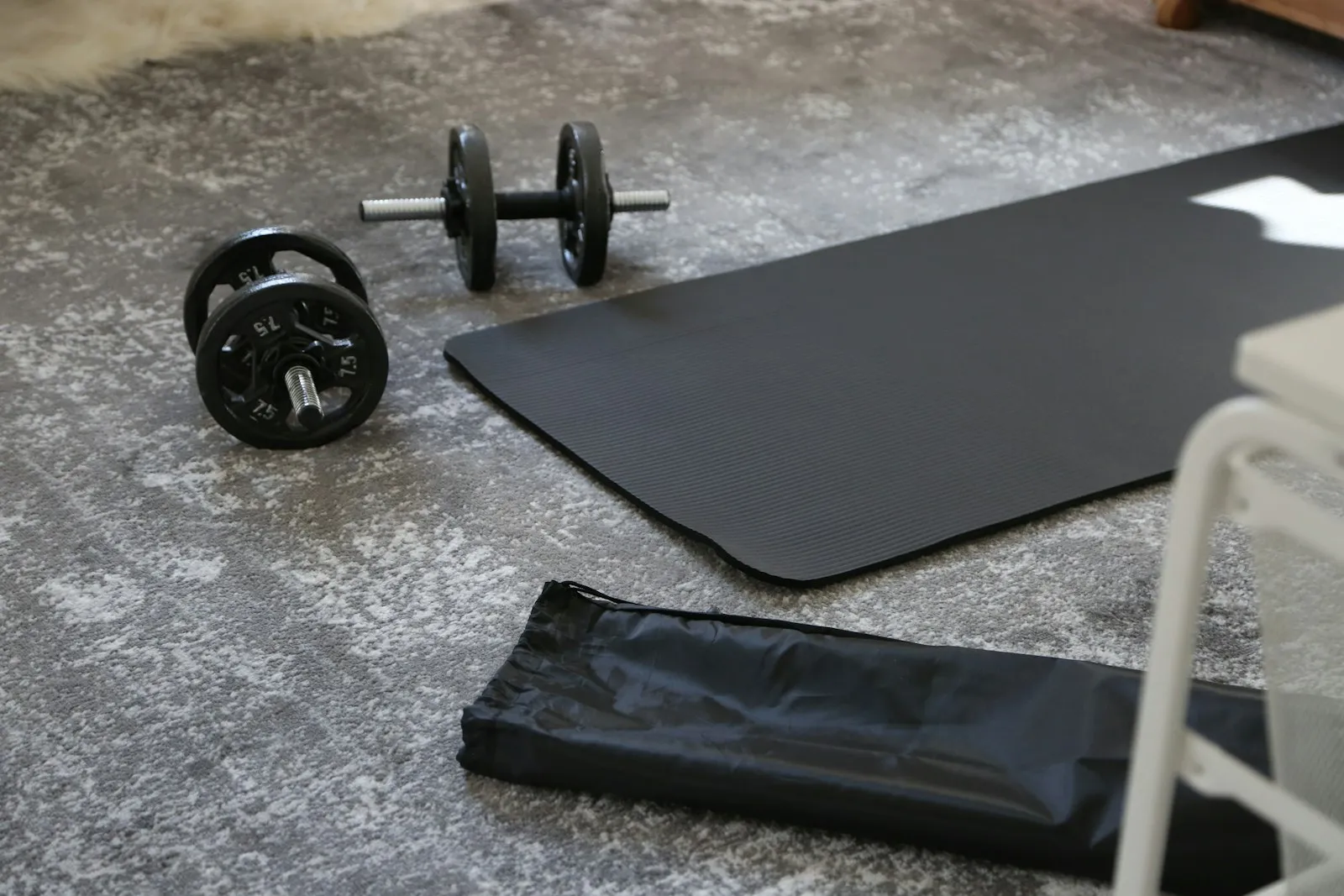
Dumbbells and an exercise mat on the floor of a home gym
BRANDS WE'VE WORKED WITH
  • Tuff Crowd
  • Rüfüs Du Sol
  • Haven Sleep Co
  • Amourprints
  • Soul Comfort
  • Boss Dog & Boss Cat

Sports and fitness brands are among the 100+ brands we've worked with since 2018. Read our reviews on Shopify (opens in a new tab).

IN SHORT

Sports and fitness marketing is how an activewear, equipment or sports gear brand sells to people who train. Most of it comes down to proof that the gear works and a fit buyers trust before they order. Our ad targets count returns, freight and duty.

HOW PEOPLE BUY
They want proof and a sure fit: real people training in it, how it moves, what it's made of and which size to order. Many buy when a new goal or season starts.
WHEN IT SELLS
In waves through the training year: New Year resolutions in January, race season, each sport's season, back to school and Black Friday.
WHAT WINS THE SALE
Video of the gear in real training, size and fit you can judge from the page, and offers ready before each wave.
WHY SPORTS & FITNESS IS DIFFERENT

Fit, proof and timing decide the sale.

Activewear has to fit, equipment has to prove it works, and demand rises and falls through the year. Here are the four we tackle first.

Not sure where your store loses sales? Ask Dair →

Wrong sizes come straight back

Leggings, sports bras and shoes have to fit the way someone trains. When the size chart is vague, shoppers order two sizes or give up. Returns then eat into your margin.

HOW WE FIX IT Size and fit answered on the page

Every dumbbell looks the same in a photo

The difference between your gear and a cheaper lookalike only shows when someone uses it. Shoppers need to see that difference before they pay for it.

HOW WE FIX IT Video ads that show it in use

Equipment that costs more to bring in

Duties on imported fitness equipment changed several times in 2025 and 2026, including a new duty on the steel and aluminum in exercise equipment from August 18, 2025. Add freight on a rack or a bench, and free shipping can lose money on every order.

HOW WE FIX IT Prices and shipping set from landed cost

Demand follows the training year

January resolutions, race season and the start of each sport's season bring buyers in waves. If your ads and email aren't ready before a wave, those sales go to brands that were.

HOW WE FIX IT Email and texts timed to the season
INSIDE THE WORK

How fitness gear sells through the year.

People who train buy when they start something, want proof the gear works and send back what doesn't fit. Here's how we plan for all three.

THE TRAINING YEAR

Demand rises and falls with the training year.

People buy when they start something: a New Year resolution, a race on the calendar, the start of their sport's season or a new school year. January is the biggest wave for most fitness brands, and it's won in December, while your list is full of holiday buyers and the new-year ads are already built.

So campaigns are mapped to each wave, with offers and creative ready before it starts. Your email list grows during the holiday sales, and the new-year campaigns are built before Christmas, so in January you're talking to people who already know you. Between waves, email follows each customer's training: new colors, the matching top, heavier weights or a reminder when gear usually wears out. See email and SMS marketing.

  • Campaigns mapped to January, race season and your sport's season
  • New-year campaigns built before Christmas
  • Email that follows each customer's training
A typical training year: ads and emails build up before each wave (blue), then the wave itself (purple), with email following each customer all year (gold).
VIDEO ADS

The proof shows up in the workout.

In a photo, your dumbbells look like every cheaper lookalike. The difference shows when someone uses them: how fast the weight changes, how the grip feels in the last set, how leggings hold up in a deep squat. So the ads show the product working, filmed by creators who actually train with your gear in real workouts, runs and games, along with their honest first impressions.

The opening seconds carry the proof: the dial turning, the squat test that shows leggings aren't see-through, the shoe on a wet trail. On TikTok, the ads that blend in with ordinary posts tend to do best, so most look like a training clip with one clear next step. We measure them by sales and profit, checked against your Shopify orders. More in ad creative and testing.

  • Creators who train with your gear
  • The proof in the opening seconds
  • Judged by sales and profit, checked against Shopify
An example short video ad for home-gym gear: the product working in the opening seconds, filmed by someone who trains with it.
FIT AND SPECS

Open questions turn into returns.

Leggings, sports bras and shoes have to fit the way someone trains. When the size chart is vague, shoppers order two sizes or give up, and returns eat into your margin. Equipment raises its own questions: will the rack fit under my ceiling, how heavy do the dumbbells go, and what does delivery cost. Each one the page leaves open can become a support email, a return or a lost sale.

So each product page answers its own questions: body measurements for each size, fit notes in plain words like compressive or relaxed, photos on people of different sizes, and reviews that say which size each person bought. For equipment, the dimensions, the weight range and the delivery cost sit next to the price. Then check return reasons by product, and fix the pages for items that run small or large first. See conversion optimization.

  • Measurements and fit notes for every size
  • Dimensions, weight range and delivery cost for equipment
  • Return reasons checked by product
Example questions sports and fitness shoppers ask before they buy, and what each product page shows to answer them.
WHAT'S INCLUDED

Built around how your customers train.

We build each plan on a growth strategy with profit targets, then fit it to your launches and the training year.

  1. Video of the product in use

    Short ads from creators who train with your gear: workouts, runs, games and honest first impressions.

  2. Fit you can judge from the page

    Compression level, inseam options and how each piece moves. Photos show it on people of different sizes.

  3. Landed cost per product

    Duty, freight and returns worked into the price and the ad target of each product, and checked again whenever duties change.

  4. A training-year calendar

    Campaigns mapped to January, race season and your sport's season. Offers and creative are ready before each peak.

  5. Email that follows the training

    Flows that suggest the next step: new colors, the matching top, heavier weights or a reminder when gear usually wears out.

  6. Profit targets that count returns

    Ad targets that allow for apparel returns and the cost of shipping heavy equipment.

CLIENT RESULTS

Results from our clients.

All case studies →
WHAT WE DO

Services for sports and fitness brands.

Ads, product pages and email planned around the same training calendar, with a profit target for every product.

FREE TOOLS

Do the math before January.

See what your ads must return once shipping and returns are paid, what a higher conversion rate adds and what a repeat customer brings in.

FAQ

Questions from sports and fitness brands.

Don't see your question? Ask Dair directly on the call.

Dair Rose
Still have a question?
Email or call. Dair replies personally.
Book a strategy call →

Show the product being used, make size and fit easy to judge, and plan around the times people start training. Video ads bring in new buyers, the product page closes the sale, and email turns them into repeat customers.

Body measurements for each size, fit notes in plain words like 'compressive' or 'relaxed', and reviews that say which size each person bought. Then check return reasons by product, and fix the pages for items that run small or large first.

Before Black Friday. Grow your email list during the holiday sales, and have your new-year campaigns built before Christmas. When January starts, you'll be talking to people who already know you.

Often, yes. Workouts, try-ons and gear tests make natural short videos, and on TikTok the ads that blend in with ordinary posts tend to do best. We measure them by sales and profit, and check those against your Shopify orders.

A rack or bench can cost a lot to deliver, so count shipping in each product's margin before you set ad targets. List the delivery cost on each product page. Offer free shipping only where the margin covers it.

They change which products you push. Imported equipment has faced new duties since 2025, including one on the steel and aluminum it contains, so a rack can lose more margin than a set of resistance bands. Set each product's ad target from today's landed cost and freight, and lead your ads with the products that still make money once they're delivered.

Got a launch or a January push coming?

Bring your return reasons and last January's numbers. In 30 minutes, Dair will show you where returns and shipping eat your margin, and what to fix before the next wave.