

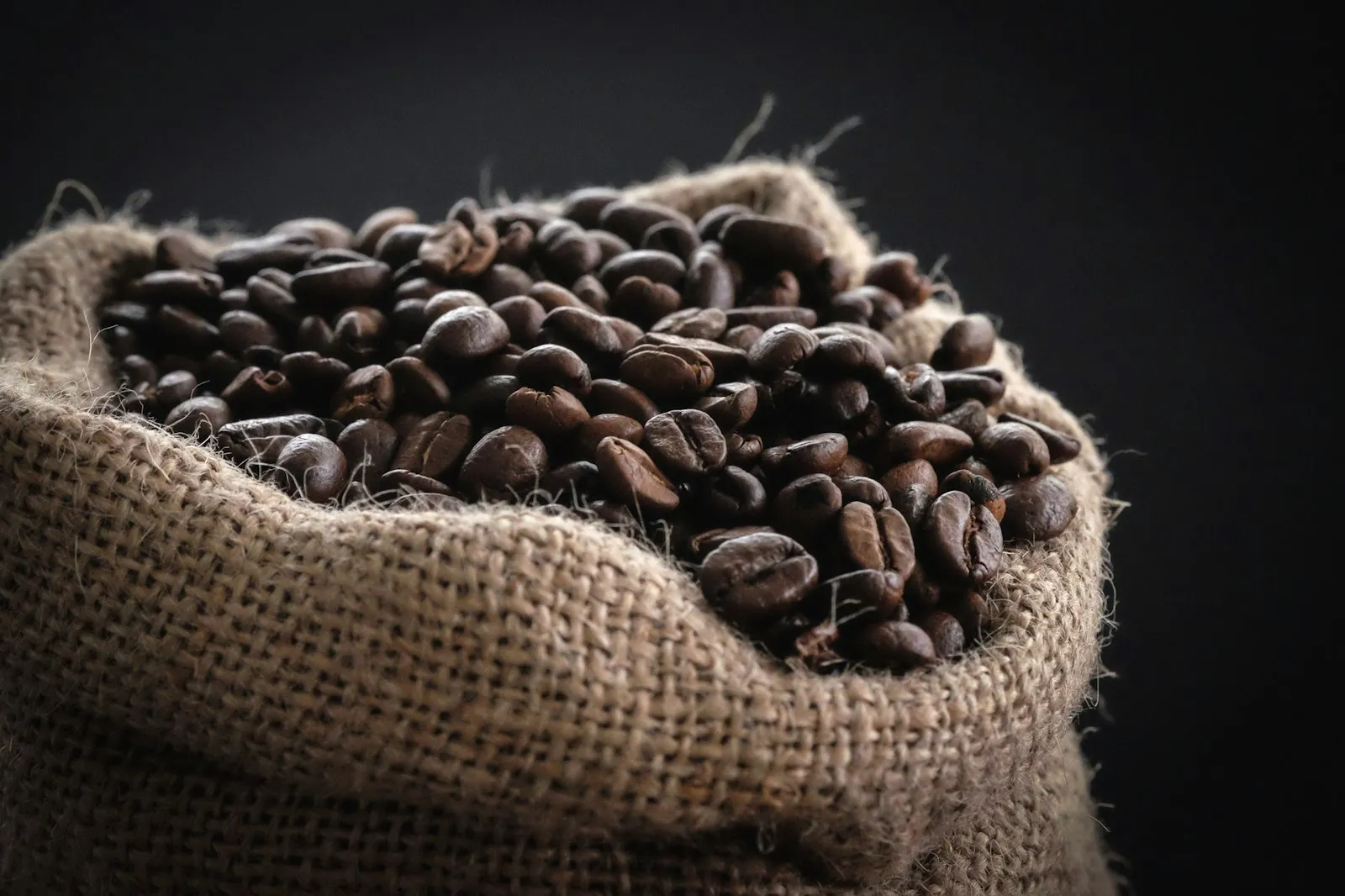






The profit is in the second order and every one after.
A first order has to pay for the ad and the box as well as the product, so the reorders are where a food brand makes its money. Coffee, tea and snacks run out on a rhythm you can plan around. Miss that moment and the customer picks up something similar at the grocery store, often without remembering where the first bag came from.
So reminders are timed to what each customer bought: a bigger bag means a later email. After that, the timing follows how long their last order actually lasted. For staples, subscribe-and-save sits on the product page, with easy ways to skip a delivery, change the flavor or change how often it comes. Subscribers who can do that are less likely to cancel. For occasional treats, reminders usually work better. More on subscriptions.
- Reminders timed to the size they bought
- Subscribe-and-save for staples, with skip and swap
- What a regular customer is worth, from the lifetime value calculator


